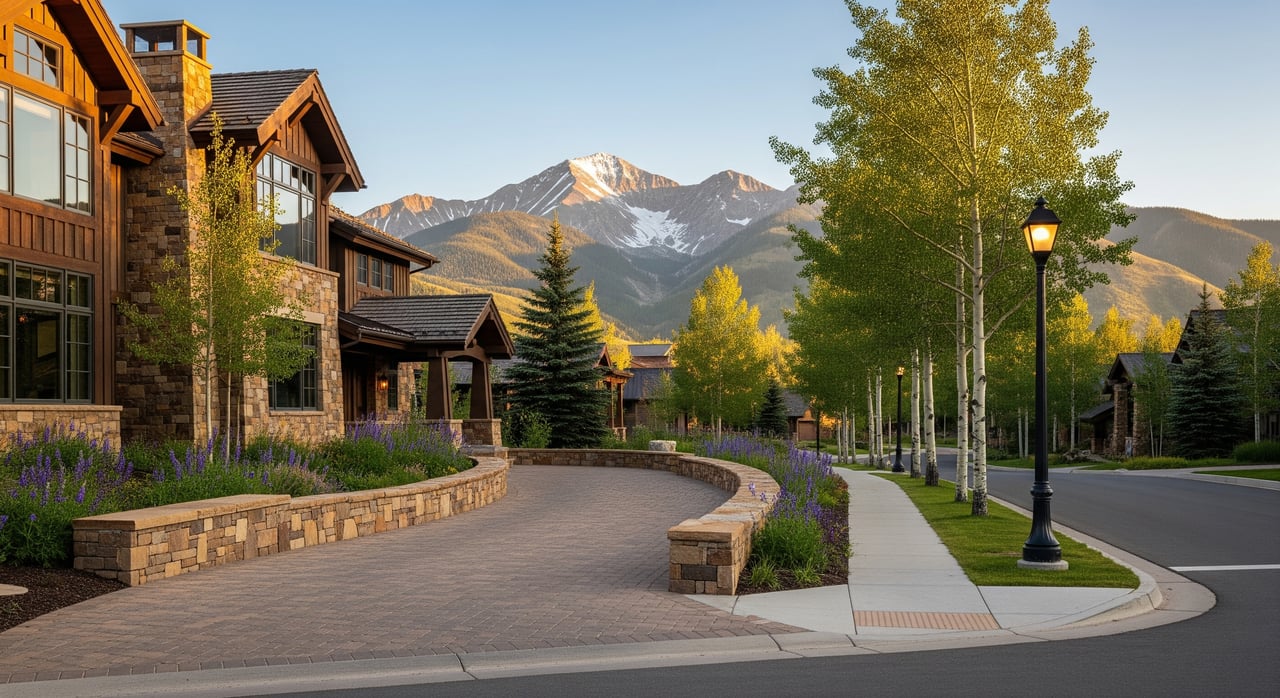
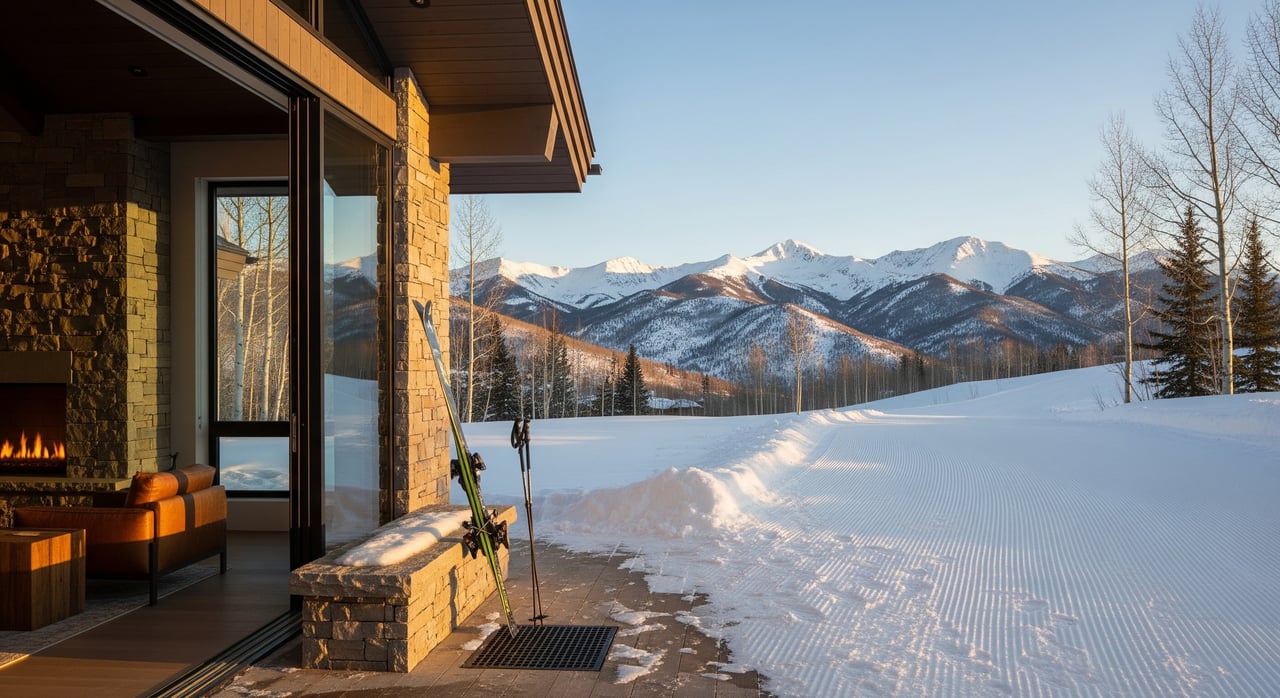
Dreaming of clicking into your skis on your doorstep in Aspen? The phrase “ski-in/ski-out” gets used a lot here, but it can describe very different experiences depending on the mountain, the building, and even the snowpack. If you understand how access really works, you can match your lifestyle to the right property and protect your resale value. Here’s a clear guide to what “ski-in/ski-out” means across Aspen Mountain, Highlands, Buttermilk/Tiehack, and Snowmass, plus a buyer checklist to verify the details. Let’s dive in.
What ski-in/ski-out means in Aspen
There is no single legal definition. “Ski-in/ski-out” is a marketing term that signals proximity and access to resort terrain or lifts, but the specifics vary by property and location. You should verify claims with maps, documents, and a winter site visit.
Common versions you will see:
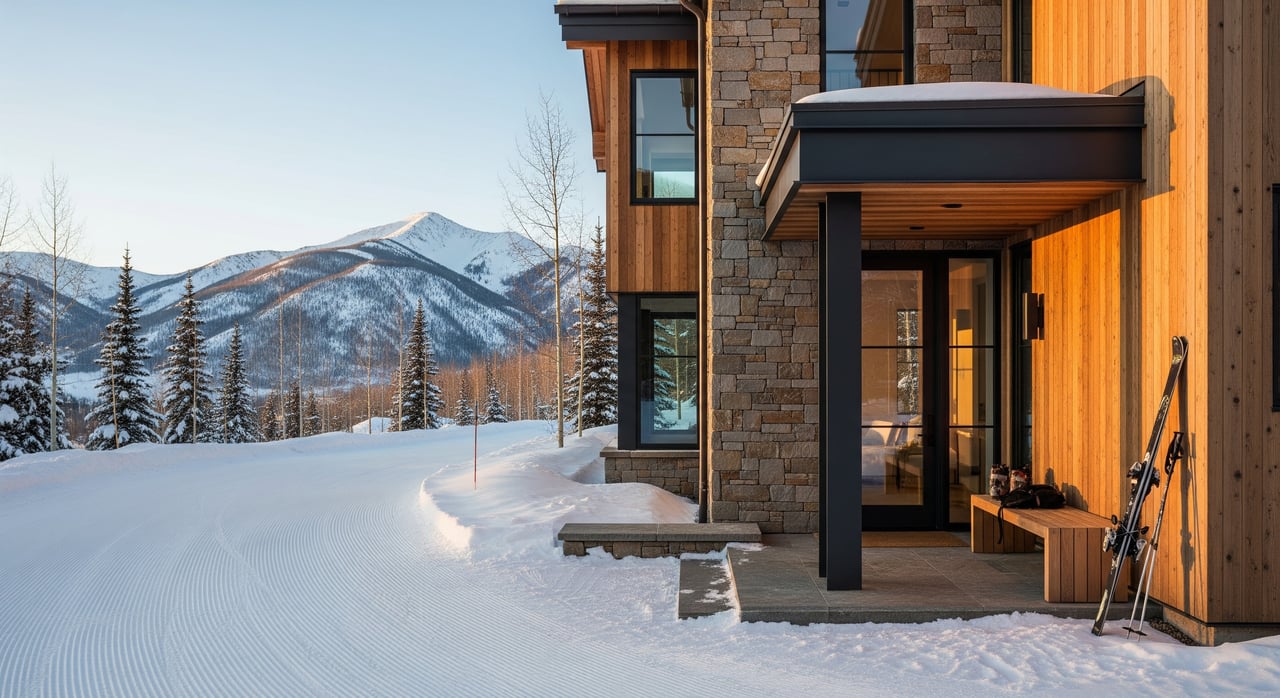
- True ski-in/ski-out: You can put skis on at the property or a few steps away and slide directly to a maintained trail or lift. No vehicle, long walk, or significant stairs.
- Ski-access, short walk: You ski close to the base or a trail, then remove skis and cross a small plaza, road, or stairs to reach the lift or your entrance.
- Ski-nearby: You walk or shuttle an easy distance to the lift, but there is no practical ski route from the door.
- Seasonal or conditional: Access works best in mid-season with ample snow or when specific connector trails are groomed and open.
Why it matters: your day-to-day routine, guest experience, and rental potential all depend on which version applies. Small differences in convenience can also create large differences in price and demand.
How it works by mountain
Aspen Mountain (Ajax)
Aspen Mountain rises directly above downtown, so much of the access is vertical from town into the lifts. Properties near the base can offer excellent proximity, but expect short walks, stairs, or a traverse on groomed lower slopes to reach specific entry points. Street or plaza crossings are common between private buildings and lift terminals.
Buyer tip: confirm where you store skis, how you enter the lift plaza, and what early or late season access looks like. Many listings feel very convenient, yet most are not zero-walk from door to lift.
Aspen Highlands
Highlands has a narrower footprint and steeper lower terrain. That layout creates fewer points where a building meets a flat, groomed approach. Many Highlands-adjacent homes or condos involve skiing to a junction or gathering area and then a short walk to the lift.
Buyer tip: micro-routes matter. Review the exact path and any steps or grade changes. True door-to-trail setups are less common here due to the terrain.
Buttermilk and Tiehack
Buttermilk features lower-angle, family-friendly terrain and a broad base area, which makes straightforward ski-out more attainable in several West Aspen pockets. In some cases you can ski very near a building and step off onto a plaza or yard. In others you will ski to the base and walk a short distance or cross a road or sidewalk.
Buyer tip: this is where “near-guaranteed” ski-out claims are most likely to hold up, but it still varies block by block. Confirm the exact route and whether it is an official, groomed connector in different parts of the season.
Snowmass
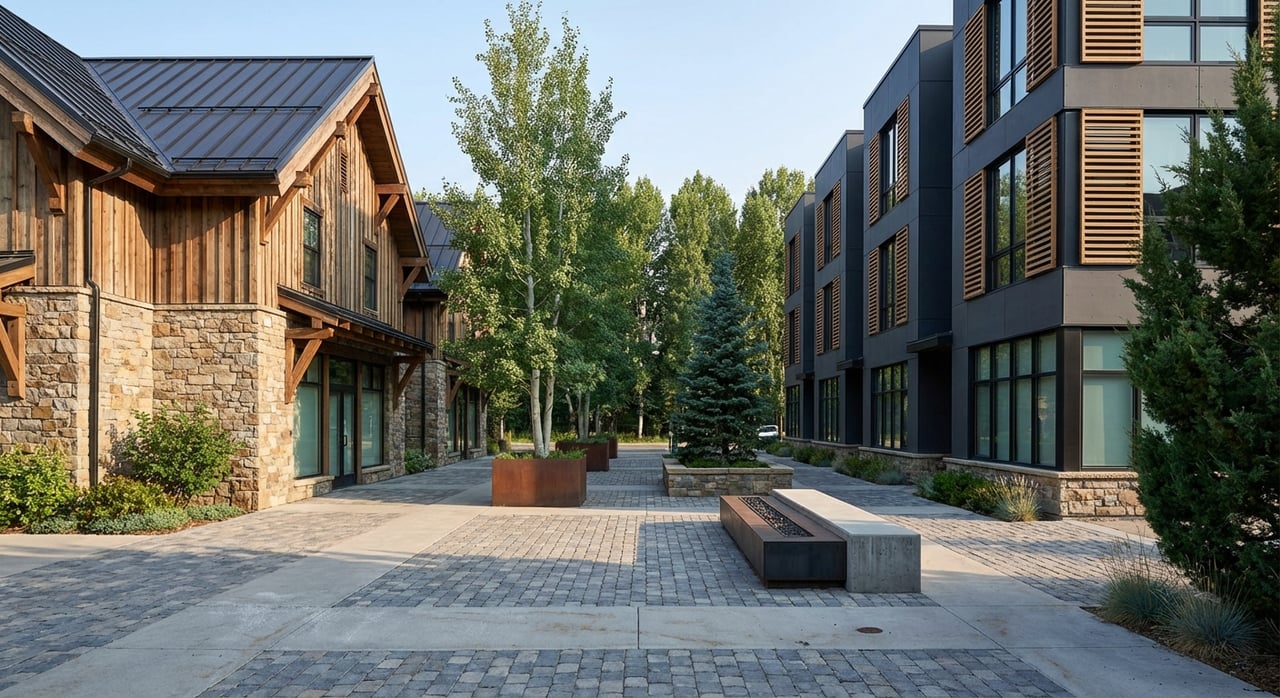
Snowmass was designed with widespread slopeside lodging. Many buildings back onto marked trails, and pedestrian networks minimize street crossings. A larger share of properties here deliver true ski-in/ski-out by design.
Buyer tip: even in Snowmass, verify HOA maps and recorded easements. The best buildings can command a premium, and details like storage, shuttle options, and entry sequences still impact guest experience.
West Aspen and Tiehack: how access feels on the ground
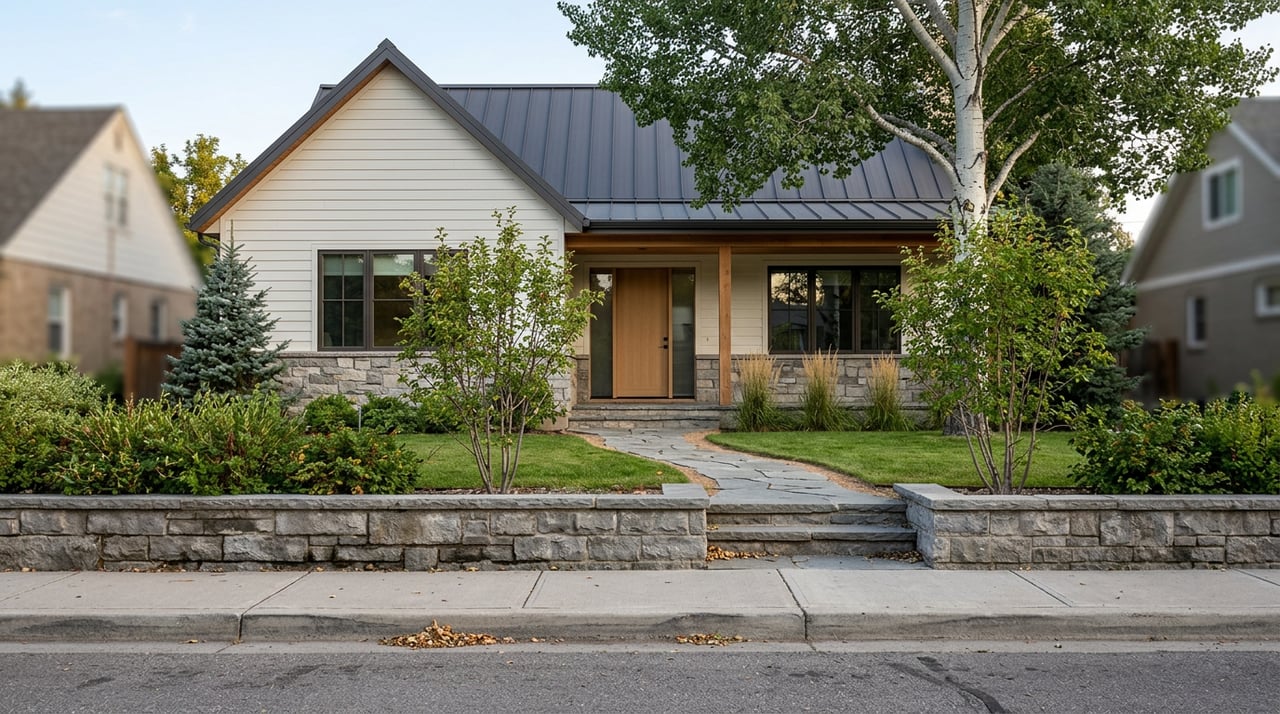
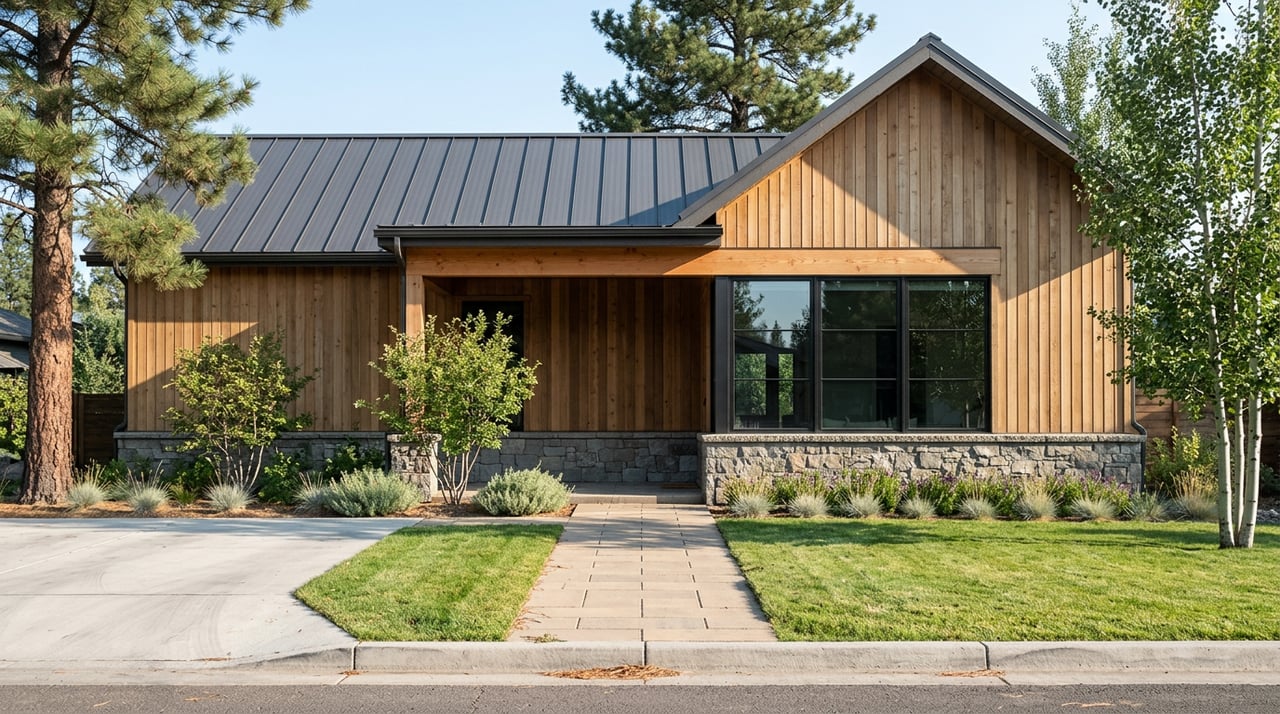
West Aspen stretches toward Buttermilk and Tiehack and includes single-family homes, cabins, and condos. The terrain and base layout create several flavors of ski access.
What you will likely see:
- Direct trail to building door or yard. Skis on at or next to the property and slide to a maintained run or connector.
- Ski to base plaza, then short walk. Many condos involve a short carry over steps or pavement to your entrance.
- Ski to parking, then walk. Some routes end at a public lot or street before your building.
- Cross a road or sidewalk. Municipal rights-of-way can interrupt what looks like a clean ski line.
Safety and rules to note:
- Some routes cross public right-of-way. Grooming is handled on-trail by the resort, while the city or county manages roads and sidewalks. Snow removal and priorities can vary.
- Do not assume private yard access without documentation. Look for recorded easements or agreements permitting ski passage across private drives or common areas.
Guest experience:
- Many renters prize short ski access. Most will accept a brief, intuitive walk if storage, signage, and parking are easy. Genuine steps-to-lift locations usually command higher nightly rates and strong resale, balanced by higher acquisition costs and HOA fees.
Buyer checklist: verify before you rely
Use this list to confirm any “ski-in/ski-out” claim before you close.
- Route map and overlay: Request the official trail map with a property overlay and a site plan marking the path from door to lift and back.
- Easements in writing: Ask for recorded easements or agreements that permit ski passage across any private land you must cross.
- Seasonal and grooming realities: Confirm if connectors are groomed and considered official in early and late season. Some routes rely on natural snow.
- Final 50 to 200 feet: Document steps, stairs, flat sections, doors, and where you remove or put on skis.
- Parking and shuttles: Verify on-site parking, any winter street closures, and proximity to resort shuttles or regional buses. Check winter frequency and stops.
- HOA policies and services: Review snow removal standards, ski storage rules, guest entry protocols, and any concierge or on-site management.
- Rental rules and performance: Confirm local or HOA rental restrictions and ask for comparable occupancy and nightly rate history when available.
- Safety and permits: Ask whether adjacent slopes have any mapped hazard considerations and whether the county requires permits for crossings.
- Insurance and liability: Determine how liability is handled for ski routes crossing common areas or private parcels.
- Walk it in winter: Best practice is a winter visit to complete the actual ski and walk in both directions.
Key trade-offs to weigh
- Price premium vs. utility: True steps-to-lift access often carries a notable premium. Small increases in convenience can mean big jumps in price.
- Higher HOA costs: Buildings designed for direct access may offer concierge, on-site shuttles, and aggressive snow management that increase monthly dues.
- Rental desirability: Slopeside typically boosts short-term demand, but layout, bedroom count, storage, and parking also drive performance.
- Convenience vs. privacy: Base-area plazas are lively and convenient, yet they can be busier and louder at peak times. Quieter settings may mean a short walk.
- Maintenance realities: Slopeside exposure means more snow and ice management and occasional impacts from resort operations.
- Resale optics: Accurate, documented access helps preserve value. Overstated claims can disappoint future buyers and slow a sale.
How to describe access accurately
Precise language helps you and your guests know what to expect. When in doubt, spell out the sequence, distances, and seasonal limits.
- Be specific: “From the building, slide onto the connector to the lift; return via the green run, then a 100-foot walk across the paved plaza.”
- Use measures: Estimate feet or minutes and note steps or grade changes. Times vary with conditions.
- Add conditions: Note if access is best in mid-season or relies on natural snow.
Work with a local advocate
You deserve an advisor who understands the micro-details of Aspen access. A boutique, neighborhood-first approach means you get route verification, easement and HOA review, and an in-winter walkthrough so you know exactly how your day will flow. That diligence protects both your enjoyment and your long-term value.
If you are weighing Aspen Mountain, Highlands, Buttermilk/Tiehack, or Snowmass, let a local expert guide you to the fit that matches your lifestyle and investment goals. Ready to explore? Connect with Hank Carter to schedule a private consultation.
FAQs
What counts as true ski-in/ski-out in Aspen?
- You can step into skis at or a few steps from the property and slide directly to a maintained trail or lift without a long walk, vehicle, or significant stairs.
Is downtown Aspen considered ski-in/ski-out to Ajax?
- Many base-area properties are very close, but expect short walks, stairs, or plaza crossings between buildings and the Ajax lifts; verify the exact route.
How reliable is Buttermilk/Tiehack access in West Aspen?
- Buttermilk’s lower-angle terrain and broad base make ski-out more feasible, though access still varies by block and can depend on grooming and snow depth.
Does Snowmass offer the most slopeside options?
- Yes, Snowmass was designed with widespread slopeside lodging, so a higher share of buildings offer direct trail adjacency compared to other Aspen mountains.
What should I ask an HOA about ski access?
- Confirm grooming responsibilities, snow removal standards, ski storage rules, guest entry procedures, rental restrictions, and any recorded easements for routes.
Can I rely on shuttles if a property is ski-nearby?
- Many buyers do; confirm proximity to stops, winter schedules, and how easily you can manage gear from the stop to your unit in typical snow conditions.
Is paying a premium for ski-in/ski-out worth it for rentals?
- Often yes, but performance also depends on layout, condition, storage, parking, and guest logistics; evaluate comps and documented occupancy history.