Snowmass Ski In Ski Out Meaning for Luxury Buyers
January 1, 2026
January 1, 2026
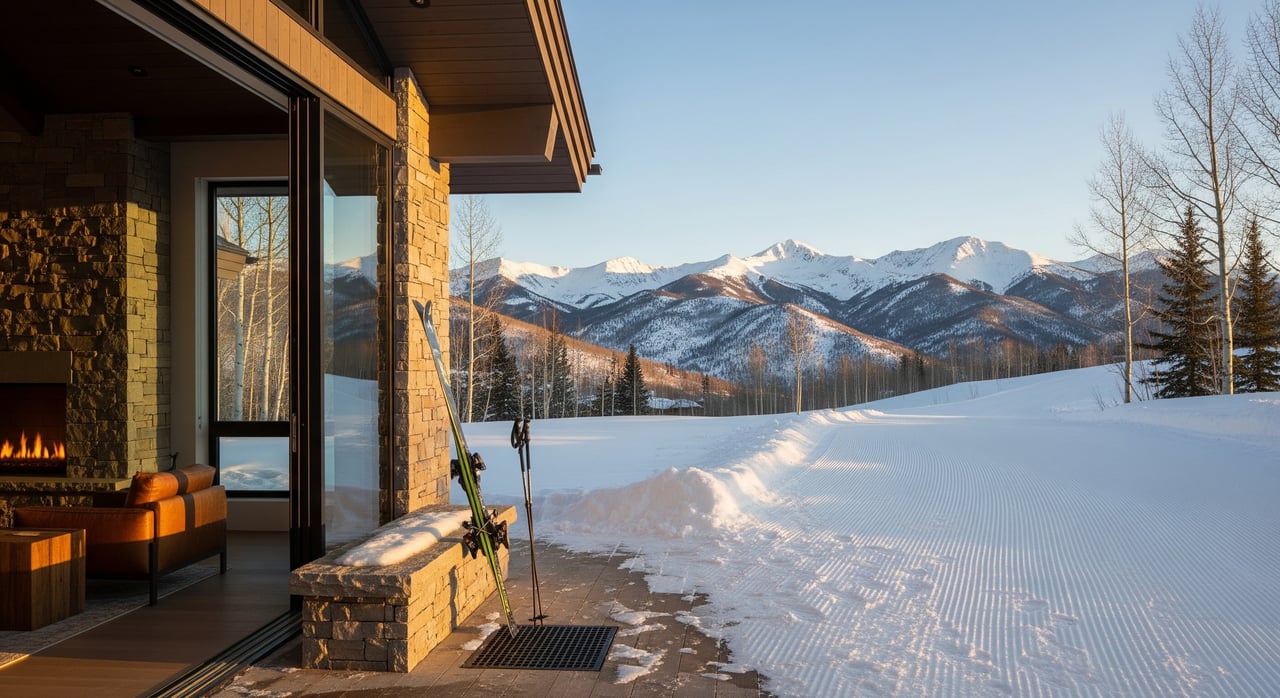
Clicking into your skis at your front door in Snowmass sounds simple. In reality, listings use “ski-in/ski-out” in different ways, and small details like a flat 100-yard traverse or an unmaintained connector can change your daily routine. If you are comparing properties in Snowmass Village, you deserve a clear, practical definition of access and a way to verify it. This guide breaks down what ski access really means here, how Snowmass’s layout affects it, and the steps to confirm you are getting the experience you want. Let’s dive in.
At its core, ski-in/ski-out means you can leave and return to your home on skis without using a vehicle or walking a meaningful distance. There is no universal legal standard, so the term varies by listing and marketing. In Snowmass, topography, grooming, and connectors make those differences noticeable.
Buyer takeaway: Treat the phrase as a starting point. Verify the exact route to specific lifts and how you return to your door.
Snowmass Mountain is large with several lift bases and access points. Which lift you can reach from a property matters to your daily flow and to guests.
Different areas, such as the base village and Elk Camp, anchor separate access points. A condo close to one base can be far from another, even if both are “near the mountain.” Confirm which lift and terrain the property actually connects to.
On-mountain communities and hillside neighborhoods may back onto groomed connectors, sit above or below them, or be separated by a road. Elevation, slope aspect, and microterrain determine whether a connector truly reaches your building.
Ski access depends on what the resort chooses to open and groom. Lower-elevation connectors and flatter traverses can be limited in low-snow periods even if a line appears on a map. Ask how often the connector has been open in recent lean winters and who maintains it.
Snowmass Village and the Roaring Fork Valley run shuttles and local circulators. These are convenient, but schedule frequency and stop locations determine whether they are a practical substitute. Within developments, sidewalks, stairs, and heated walkways can improve a “walk-to-lift” experience.
Ski routes may cross private parcels and resort or municipal lands. Long-term access depends on recorded easements and maintenance agreements, not just a line on a trail map. A connector near a building does not automatically create a private right-of-way from your door.
You can confirm the lifestyle you want with a focused, in-season checklist. The goal is to test the route, verify documents, and understand who maintains what.
There is no uniform legal definition of “ski-in/ski-out,” so marketing language can be subjective. Your protection comes from on-snow verification and recorded documents. In on-mountain communities, HOAs often manage connectors, storage, and snow removal, which can influence dues and future assessments.
Properties with true doorstep access often command a premium among active skiers, but the exact premium varies with market conditions, floor plans, and amenities. You should evaluate the lifestyle benefit against price, especially when a short walk or reliable shuttle may meet your needs at a lower cost. Insurance requirements and potential liability near trails are additional considerations.
Start with how you plan to use the home. If you expect to ski most days and value a seamless routine, true doorstep or ski-to-lift access can be worth pursuing. If you prefer a broader choice set or value size and views over slope adjacency, a walk-to-lift or shuttle-friendly location may be the smart balance.
Either way, clarity is power. Define the access level you want, verify it in season, and secure it in writing through recorded rights and HOA documents. That approach protects your experience and your resale story.
Ready to evaluate specific Snowmass Village options and see exact access routes on snow? Schedule a private, concierge-style tour and due diligence plan with Hank Carter.
Stay up to date on the latest real estate trends.
April 23, 2026
April 16, 2026
April 2, 2026
March 24, 2026
March 5, 2026
February 19, 2026
February 5, 2026
January 15, 2026
January 1, 2026
There are plenty of them out here. But not all are created equal. When it comes to your representation in the Aspen/Snowmass real estate market, you deserve the attention and experience of a top real estate broker. You deserve to work with Hank Carter.