Downtown Aspen Real Estate Market: What Drives Values
November 21, 2025
November 21, 2025
What makes one downtown Aspen address trade at a premium while another lags, even on the same block? If you have wondered why the core holds value through market cycles, you are not alone. Buyers and investors weigh location, lifestyle, rules, and rare supply when making decisions here. In this guide, you will learn what truly drives values in Aspen’s downtown core, how to read the market, and a practical checklist to evaluate opportunities. Let’s dive in.
Aspen sits in a narrow valley framed by public lands, including White River National Forest. That geography limits outward growth and reduces the number of parcels that can ever serve the downtown core. In practice, most “new” product simply replaces an existing footprint rather than expanding total housing.
The City of Aspen and Pitkin County enforce zoning, height limits, parking rules, and design review near the core. These controls preserve neighborhood character and view corridors, and they slow large‑scale redevelopment. Affordable and deed‑restricted housing programs also remove some units from the market‑rate pool available to second‑home buyers and investors.
Low supply supports higher prices when quality listings hit the market. Vacant parcels are rare, and redevelopment often faces design review or historic considerations that add time and cost. It is smart to track active inventory and six‑month trends to see when choice units surface.
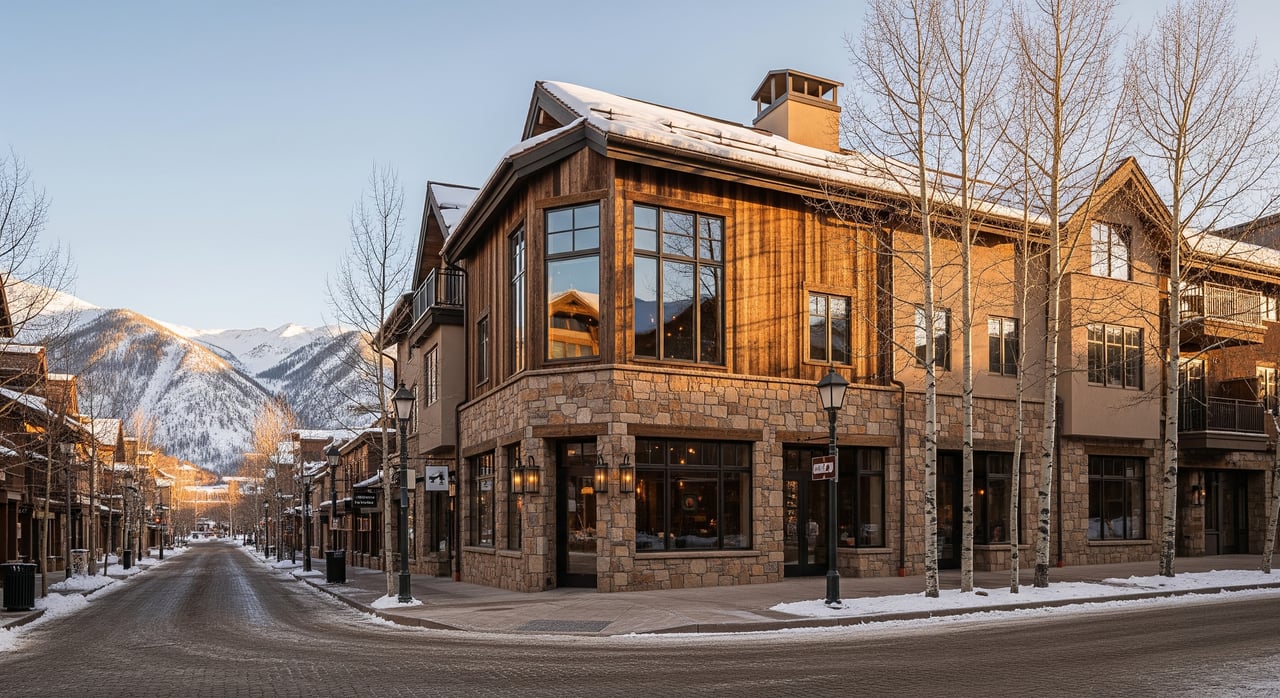
You pay a premium to live steps from Main Street, pedestrian zones, and essential services. Proximity to dining, galleries, Wheeler Opera House, and daily needs creates strong lifestyle value and supports rental demand. Units with true walkability often command higher price per square foot than nearby neighborhoods.
Immediate or easy access to the Aspen Mountain gondola is scarce and prized. Buildings marketed as walk‑to‑gondola or ski‑in/ski‑out typically see faster absorption and strong resale interest. Compare premiums against similar properties without lift connectivity to understand the spread.
Height limits, floor‑area controls, use overlays, and architectural review function like supply governors. Short‑term rental licensing and enforcement also shape the investment profile of downtown condos. Keep an eye on city council updates and permit data for any proposed adjustments.
Downtown Aspen concentrates high‑end retail, fine dining, cultural programming, and services in a compact footprint. That bundle is hard to replicate, which sustains the core’s price differential over time. When buyers can walk to everything, they tend to compete for fewer available options.
Short‑term rental rules, HOA bylaws, and reserve funding can materially alter net returns. Property taxes, insurance, and special assessments may be higher in a resort core than in outlying areas. Always underwrite the operations alongside the lifestyle.
Aspen has two heavy demand periods: winter ski season and a vibrant summer season with outdoor recreation and festivals like the Aspen Music Festival. Listings and closings often cluster before winter and again in late spring and early summer. Rental income can be strong in both peaks, with quieter shoulder seasons.
Winter‑focused buyers often target late summer or fall to align with the ski calendar. Lifestyle and summer‑event buyers may transact in late spring or early summer. Ultra‑luxury buyers can be less rate‑sensitive, while mid‑market investors tend to track financing costs and rental rules more closely.
Inventory is typically tightest heading into high seasons. Days on market can compress for walk‑to‑lift listings during ski‑season marketing windows. If you are underwriting rentals, use seasonally adjusted revenue assumptions that reflect winter and summer peaks.
Segment by micro‑market. Core walkable areas with gondola access behave differently than peripheral neighborhoods. Use rolling 6‑ and 12‑month windows to smooth small‑market volatility. Cross‑check aggregator snapshots against local MLS and county records to avoid distorted takes.
Downtown Aspen values rest on a simple but powerful mix: limited supply, walkability, gondola proximity, and a dense concentration of amenities, all protected by a careful planning framework. When you layer in dual peak seasons and a global buyer pool, the result is a resilient core that commands consistent attention and pricing power. If you focus on micro‑location, regulatory clarity, HOA health, and seasonally realistic underwriting, you can make confident decisions in this rare market.
If you are weighing a purchase or sale in Aspen’s core, let’s talk about timing, inventory, and your goals. Schedule a private consultation with Hank Carter to map your next step.
Stay up to date on the latest real estate trends.
April 23, 2026
April 16, 2026
April 2, 2026
March 24, 2026
March 5, 2026
February 19, 2026

February 5, 2026
January 15, 2026
January 1, 2026
There are plenty of them out here. But not all are created equal. When it comes to your representation in the Aspen/Snowmass real estate market, you deserve the attention and experience of a top real estate broker. You deserve to work with Hank Carter.