Is West End the right fit for your day-to-day life, not just your ski weeks? If you love quiet streets, historic charm, and being able to walk to culture and errands, this neighborhood deserves a close look. At the same time, lot sizes are smaller, inventory is tight, and prices can swing. In this guide, you’ll learn what daily life feels like, how the market behaves, and which tradeoffs to expect as a family making Aspen home. Let’s dive in.
Quick decision checklist for families
Use this to pressure-test fit before you tour.
- Schools and commute: Confirm the Aspen School District campus location at 0235 High School Road and ask the district about current attendance zones and busing. Check the state’s district entry for contact details on the Colorado Department of Education page.
- Parks and play: Map your walk to Wagner Park, Yellow Brick Park, and nearby pocket parks. The City’s Parks & Recreation A–Z guide shows parks, playgrounds, and trail connections.
- Walkable errands: Identify your route to grocery, pharmacy, coffee, and downtown services. Plan for strollers or scooters on short trips.
- Parking and storage: Prioritize private parking or a garage. Event weekends tighten street parking near downtown.
- Yard and gear space: Decide how much outdoor play area you need and where bikes, skis, and strollers will live.
- After-school and weekend programs: Review youth offerings at the Aspen Recreation Center (ARC) and trail network in the City’s A–Z guide.
- Renovation plans: If you anticipate upgrades, note that many homes sit within historic resources. Expect design review in some cases and plan timelines accordingly.
What the West End is like
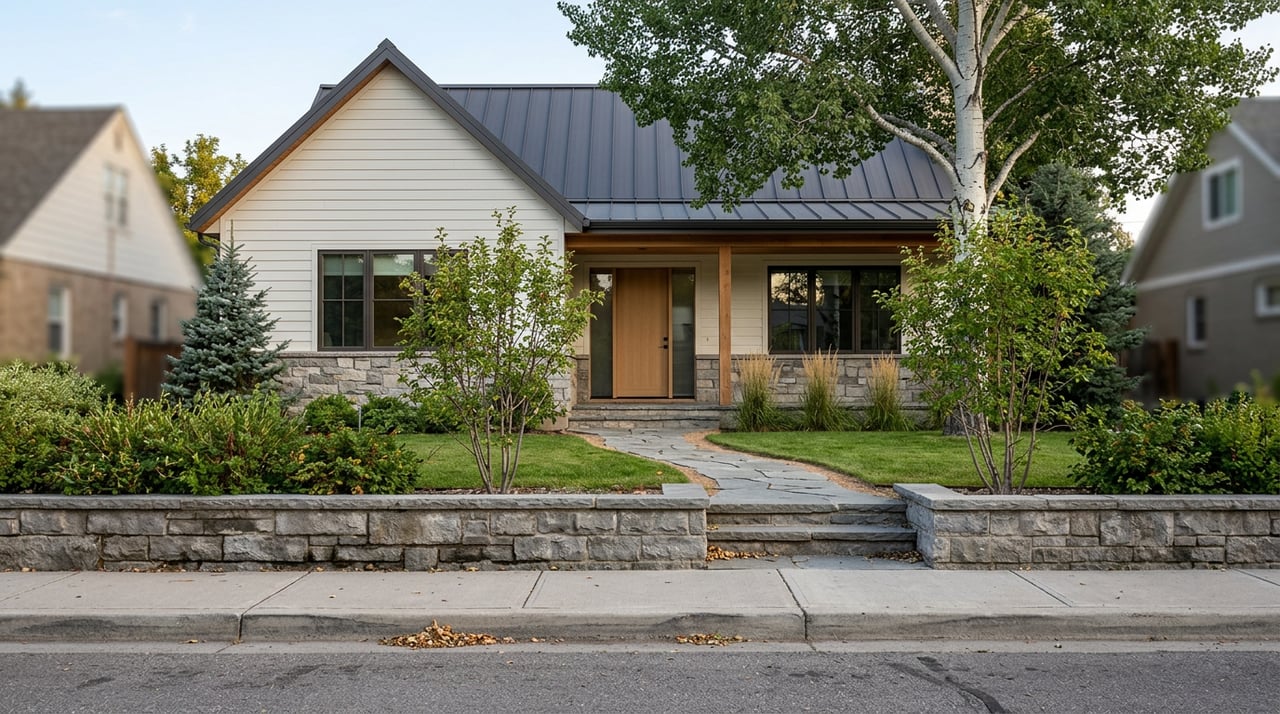
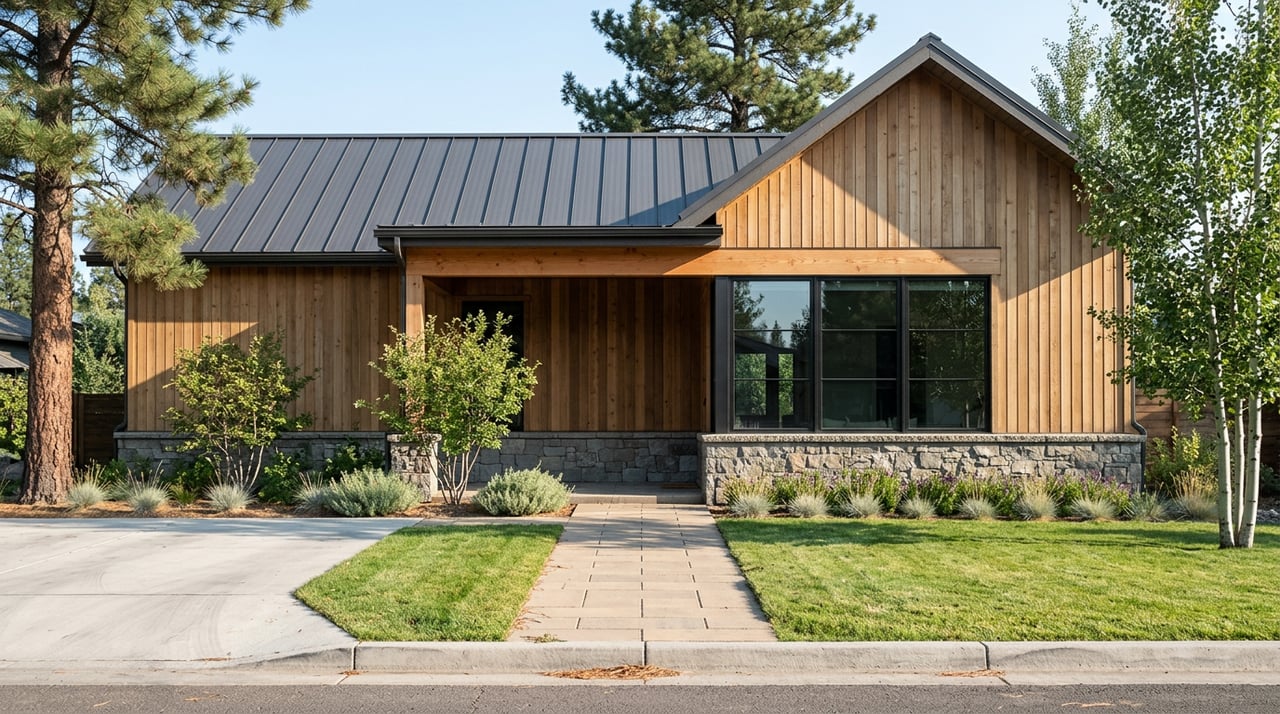
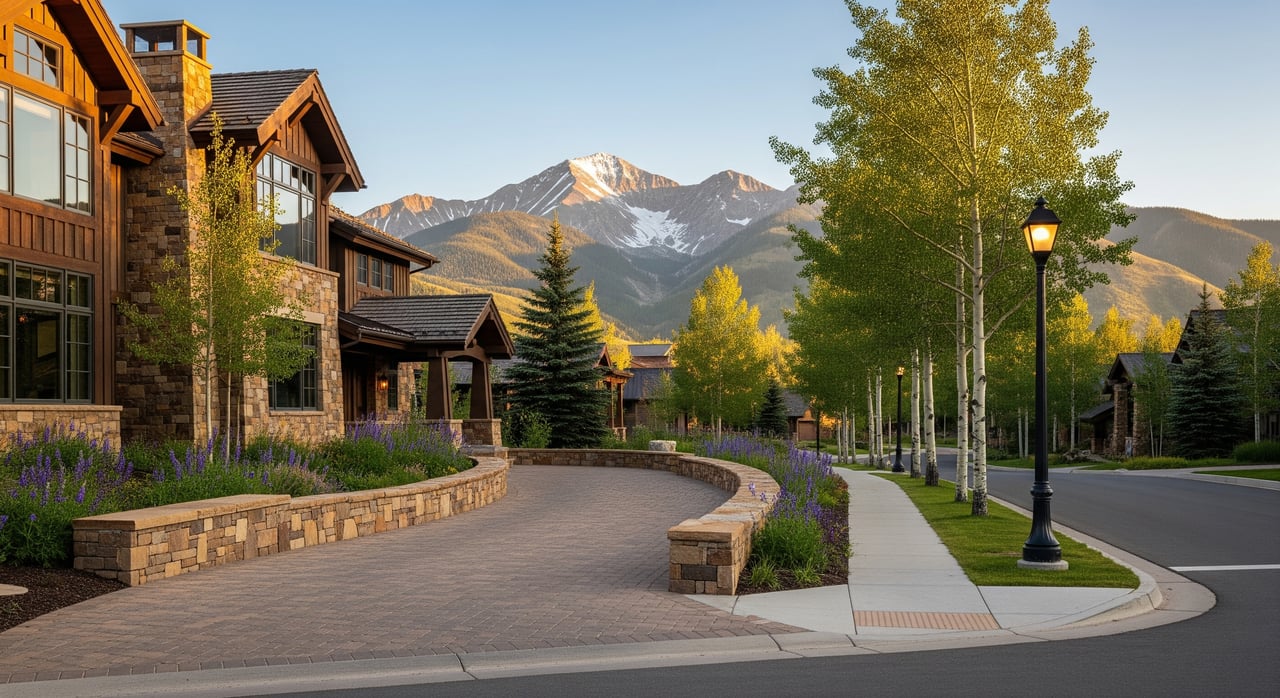
The West End sits just west of Aspen’s downtown core. It is compact and primarily residential, with tree-lined streets and a strong historic identity. You will see Victorian cottages, bungalows, and carefully updated homes that preserve the neighborhood’s character. The setting feels calm and close-knit, with quick access to the pedestrian mall and cultural venues.
Historic landmarks like Pioneer Park underscore the district’s preserved fabric. Many lots are modest, which supports a walkable scale rather than large in-town estates.
Housing profile and what to expect
- Home types: Primarily Victorian-era cottages and small to mid-size single-family homes, plus a handful of townhomes and thoughtful modern remodels. Large new estates are less common inside the neighborhood.
- Inventory reality: Supply is limited at any given time. Well-presented, turn-key homes in prime locations can move quickly.
- Pricing behavior: Public listing portals often show very high median list prices and elevated price per square foot for the West End. Reported sale medians can look lower on some months. This is a small market with a few closings driving the averages. One trophy sale can skew a snapshot, which is why medians often conflict across sites. Treat any monthly number as a guide rather than a rule and verify current MLS data before you set expectations.
Walkability, parks, and culture
Parks and trails within minutes
Families choose the West End for daily outdoor time. The City highlights 30-plus parks, playgrounds, and interconnected trails in its Parks & Recreation A–Z guide. From West End blocks, you can reach Wagner Park downtown, Yellow Brick Park, and several pocket parks on foot. Inside or near the neighborhood, green spaces and historic properties, including Pioneer Park, add to the calm feel.
For longer outings, you can connect to the Rio Grande multi-use corridor. When you want river and open-space immersion, North Star Preserve sits a short drive away, a landscape whose popularity and sensitive habitat are documented by Aspen Journalism’s coverage of North Star.
Culture within easy reach
Living in the West End puts you a short walk from Aspen’s cultural anchors. The Aspen Art Museum offers rotating exhibits and public programs enjoyed by families year-round. The historic Wheeler Opera House hosts concerts, talks, and events that add variety to school nights and weekends. This level of cultural access is rare in a small mountain town and is a key quality-of-life perk for in-town living.
Schools and childcare
Aspen’s public schools operate on a shared campus at 0235 High School Road, which includes elementary, middle, and high school facilities. Attendance zones and busing can evolve, so confirm details directly with the district. For contact information and official district entries, use the state’s Colorado Department of Education page.
Families also explore independent and preschool options. If you need a specific program or an early-education slot, start your outreach early and track admissions calendars.
Getting around: traffic, parking, transit
Seasonal rhythm to plan around
Aspen’s calendar has distinct peaks. Winter ski periods and summer events bring more visitors downtown. The Aspen Music Festival & School runs a robust summer season that adds energy and programming across town. You can preview schedules on the Aspen Music Festival & School site.
Event weekends can increase activity near Wagner Park and tighten parking. Families who live here year-round often plan errands early and consider guest parking and delivery timing on peak dates.
Parking and street access
Downtown time limits and permit programs are actively managed. Rules can change, so check current City guidance before you rely on street parking. If you prefer a set-it-and-forget-it routine, prioritize a home with private parking or a garage.
Transit and car-light options
Regional transit (RFTA) connects Aspen to the valley with frequent, year-round service. Local reporting notes pilot fare programs and schedule updates that make bus access more attractive for daily life. If you want to minimize a second car, transit plus walking can work well in the West End. See The Aspen Times’ coverage of RFTA’s zero-fare pilot for context: RFTA kicks off zero-fare pilot program.
Market snapshot for full-time families
If you are transitioning from vacation use to full-time living, here is the practical lens to apply:
- Expect limited choices at any given moment. A few listings can define the season’s options.
- Listing and sale medians often diverge because of small sample sizes and occasional trophy transactions. Treat every published number as a snapshot. Ask your agent to pull verified, on-the-ground MLS data for the specific home types you want.
- Pay a premium for turn-key homes within easy walks to parks, trails, and downtown services.
- If renovation is in your plan, many West End addresses sit within recognized historic resources. Contact City of Aspen planning and historic-preservation staff early to understand design guidelines and the review path. Historic examples, such as Pioneer Park, highlight the neighborhood’s protected character.
Family tradeoffs to weigh
- Space vs. location: You may trade some square footage and yard size for in-town walkability and culture.
- Storage and gear: Look for efficient mudrooms, garages, and closets to handle skis, bikes, and everyday gear.
- Systems for year-round use: Confirm insulation, heating, and utility efficiency if a home has been a part-time residence.
- Parking plans: Private parking reduces stress on peak event weekends and during winter storms.
Seasonal life: a week in the West End
Here is a simple picture of what life can look like across seasons.
A winter school week
- Monday to Friday: Quick drop-off drive or bus to the district campus, then a walk to coffee and errands downtown. Afternoons at the ARC for swim practice or youth programs listed in the City’s A–Z guide.
- Evenings: Family nights in, with the option to walk to a lecture or film at the Wheeler Opera House.
- Weekend: Skiing, sledding at Wagner Park, or a stroll to lunch downtown without moving the car.
A summer festival weekend
- Mornings: Bikes on the Rio Grande trail and playground time. Pack a picnic for Wagner Park.
- Afternoons: A performance or family program through the Aspen Music Festival & School, then ice cream on the pedestrian mall.
- Evenings: Expect more foot traffic downtown. Plan guest parking and consider walking or using RFTA for events.
How West End compares
- West End: Historic, in-town setting with strong walkability to culture and downtown services. Smaller lots, cottage charm, and quiet streets. A good fit if you want to live on foot most days.
- Central Core: The most walkable address to shops, restaurants, and the gondola. Convenience is unmatched, while privacy feels more urban.
- Red Mountain: Larger estates and privacy with sweeping views. Less walkable to downtown.
- Smuggler area: Quick access to trail systems and a more outdoor-forward vibe by Aspen standards.
- North Star and river-adjacent areas: More open space and river proximity for families that want separation from downtown activity. Learn about the area’s sensitive habitat and visitor trends in Aspen Journalism’s North Star overview.
Is West End right for your family?
If you value walkability, culture, and a calm, historic setting close to town, the West End delivers a rare daily rhythm. You will likely trade lot size and face a tighter, more competitive market, and you will plan around seasonal peaks. For many families, that exchange is worth it for the ease of walking to parks, programs, and performances without a daily drive.
When you are ready to explore on the ground, connect with a local advisor who knows West End inventory, historic review paths, and family-focused tradeoffs. To talk through timing, inventory, and a tailored search plan, reach out to Hank Carter to schedule a private consultation.
FAQs
How walkable are Aspen schools from the West End?
- The public schools share a campus at 0235 High School Road. Walking or a short drive is common. Confirm attendance zones and transportation options with the district via the Colorado Department of Education listing.
Are West End home prices stable month to month?
- Not always. This is a small, high-value market where a few closings can skew medians. Listing medians may look very high while recent sale medians appear lower. Use numbers as snapshots and verify current MLS data for your specific home type.
Will my renovation need historic review in the West End?
- Possibly. Many properties sit within recognized historic resources. Contact City of Aspen planning and historic-preservation staff before you design. The protected status of places like Pioneer Park shows why review exists.
Is parking difficult during big Aspen events?
- Parking tightens during winter peaks and summer festivals. Time limits and permits are actively managed downtown. Favor properties with private parking and plan guest parking on peak weekends.
Can my family rely on transit to reduce a second car?
- Many residents do. Regional transit (RFTA) offers year-round service, and recent pilots have expanded access. See The Aspen Times report on the RFTA zero-fare pilot for context, then check current schedules before you plan.