Buying On Red Mountain: What Luxury Buyers Should Know
April 2, 2026
April 2, 2026
If you are considering Red Mountain, you are not just buying a home. You are buying altitude, privacy, sunlight, and one of Aspen’s most tightly held luxury settings. For many buyers, that creates both excitement and a long list of questions about value, buildability, and long-term ownership. This guide will walk you through what matters most before you buy on Red Mountain, from site quality to redevelopment rules, so you can make a more confident decision. Let’s dive in.
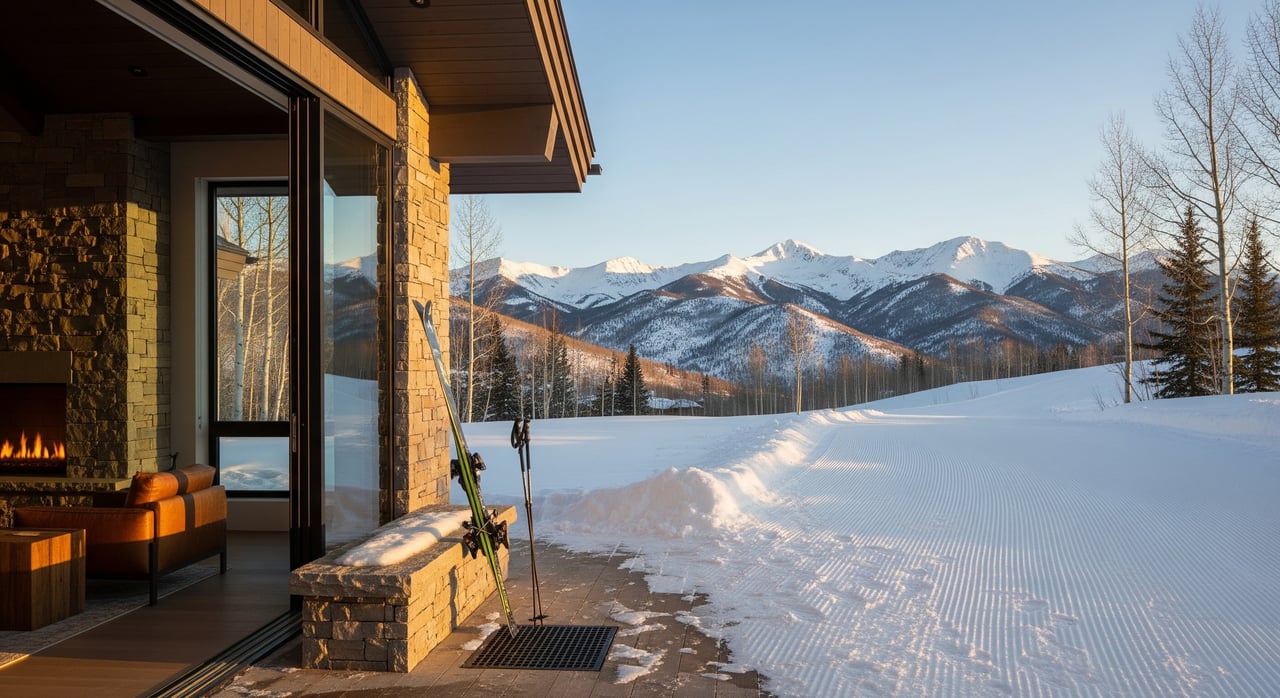
Red Mountain sits on Aspen’s north side above downtown and is widely recognized as one of the area’s most exclusive residential enclaves. As Aspen Sojourner notes, many homes are just minutes from downtown and enjoy south- and west-facing sun with views over town, Aspen Mountain, and the Elk Range.
What sets Red Mountain apart is not a long list of neighborhood amenities. Its appeal is the setting itself: elevated homesites, privacy, and a feeling of being tucked away while staying close to the Core. If you want a property that feels private without feeling remote, Red Mountain often rises to the top of the list.
On Red Mountain, the house matters, but the site often matters more. In Aspen’s top tier, value is closely tied to privacy, panoramic views, solar exposure, and how well a lot supports comfortable daily living.
That means two homes with similar square footage can have very different value depending on their position, orientation, and usable outdoor space. At this level of the market, you are often paying for what cannot easily be recreated later.
Views are one of Red Mountain’s biggest draws, but not all views are equal. You will want to look closely at how wide the view corridor is, which directions it faces, and how likely it is to remain open over time.
Sun exposure is just as important. South- and west-facing orientation can make a meaningful difference in how a home lives throughout the year, especially in the winter months when natural light is highly valued.
Privacy on Red Mountain often comes from the terrain itself. Elevated homesites, mature landscaping, and the spacing between properties can create a sense of separation that is difficult to find closer to downtown.
That privacy can also support long-term value. In Aspen’s ultra-luxury market, buyers consistently place a premium on homes that feel sheltered, quiet, and visually commanding.
A large lot on paper does not always mean a large building envelope in practice. Aspen’s zoning rules reduce how much steep land counts toward net lot area, which can directly affect what can be built or expanded.
According to the city’s Residential Zoning Checklist, land with a 20% to 30% slope counts at 50% of parcel area, while land steeper than 30% counts at 0% for net-lot-area purposes. In simple terms, gross acreage can overstate what is actually usable.
When you tour a Red Mountain property, look beyond the finishes and floor plan. The site itself deserves careful review.
Focus on these points:
Aspen’s permit requirements include orientation gridlines, topography, and height-over-topography documentation, as shown in the city’s residential checklist. That tells you how seriously these site factors are treated in actual development review.
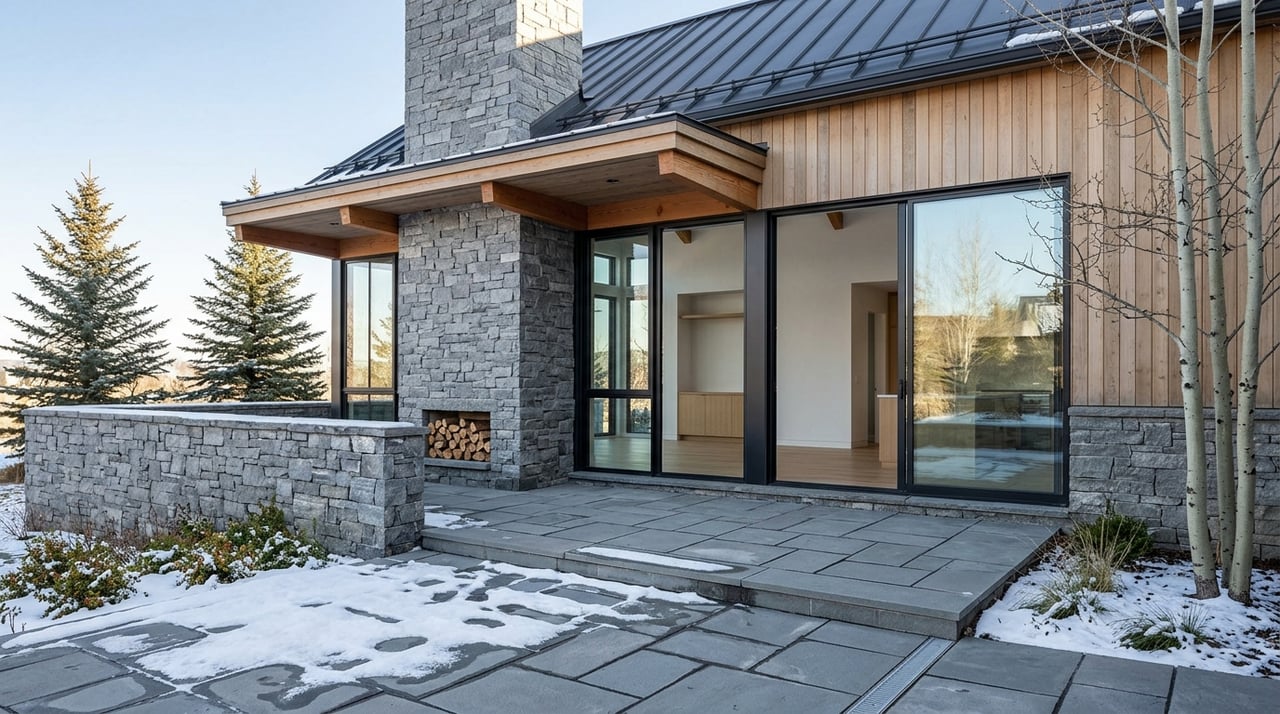
Red Mountain does not have one uniform architectural look. Aspen’s historic design materials document a mix of legacy home types, including postwar Modern Chalet homes with expansive window walls and Pan Abode or log-kit houses from roughly the 1950s through the 1970s. You can review these property types in Aspen’s historic preservation materials.
For you as a buyer, this means inventory can vary widely. Some homes may feel restrained and mid-century in character, while others may be fully rebuilt, more contemporary, or designed around newer luxury expectations.
Certain legacy properties in Aspen are historically significant. The city’s Inventory of Historic Sites and Structures includes 120 Red Mountain Road, and designated historic properties may be subject to Historic Preservation Commission review for development, demolition, relocation, and variation requests.
If you are considering an older home, it is important to understand whether any historic review could affect your plans. A beautiful legacy property may offer charm and provenance, but it can also introduce more complexity if you hope to make major changes.
Aspen has a demanding redevelopment environment, and that matters on Red Mountain. If you are buying with plans to remodel extensively or start over, you should go in with clear expectations around timing, cost, and approvals.
The city’s Residential Demolition and Redevelopment Standards require demolition projects seeking a demolition allotment to address waste diversion, embodied carbon disclosure, energy reporting, building energy performance, and stormwater treatment. These are not minor check-the-box items. They can materially shape your project scope and schedule.
Aspen adopted the 2021 I-Codes and local amendments in 2023, and the city requires ignition-resistant construction for permits submitted after April 1, 2023, according to the city’s building and energy code page. For luxury buyers, this means major projects may involve more design coordination and higher construction standards than in many other resort markets.
If your goal is a smoother ownership path, a property with a strong existing layout and less need for structural change can be especially attractive. In a market with complex regulations, flexibility has real value.
Even if you plan to hold for years, resale should still be part of your thinking on day one. On Red Mountain, homes with strong site orientation, usable land, and fewer redevelopment obstacles often appeal to a wider future buyer pool.
That can matter if market conditions shift or your needs change. A highly customized home may be perfect for one owner, but a property with cleaner entitlement history and adaptable living spaces can offer broader long-term appeal.
Luxury buyers on Red Mountain should also think practically about access and risk. Pitkin County’s Community Wildfire Protection Plan specifically flags Red Mountain neighborhoods as having one way in and one way out.
That does not mean ownership here is less desirable. It does mean wildfire planning, defensible space, access logistics, and construction standards deserve thoughtful attention as part of your due diligence.
Aspen’s ignition-resistant construction requirements reinforce that point. If you are evaluating a remodel, rebuild, or long-term hold, these factors should be part of the ownership conversation from the start.
Red Mountain sits within Aspen’s ultra-luxury, low-volume market, where land and site quality often lead the conversation. The Aspen Board of REALTORS’ February 2026 market report showed Aspen single-family year-to-date median sales price at $15.0 million and average sales price at $20.9 million.
At the very top of the market, trophy sales show how strongly buyers value site quality. The 419 Willoughby Way sale reported by The Aspen Times closed at $108 million on 4.5 acres, underscoring how privacy, acreage, and views can drive pricing in Aspen’s highest tier.
For many Red Mountain buyers, the purchase is not only about today’s lifestyle. It is also about securing a rare homesite with staying power in one of Aspen’s most tightly constrained luxury settings.
If you are seriously considering Red Mountain, it helps to evaluate each property through both a lifestyle lens and an ownership lens. A home can be visually stunning and still fall short if the lot is too steep, the driveway is difficult, or future improvements are likely to be complicated.
A disciplined approach usually means weighing these factors together:
When those pieces line up, you are not just buying a luxury home. You are buying one of Aspen’s most compelling long-term ownership opportunities.
If you want discreet guidance on evaluating Red Mountain properties, redevelopment considerations, or Aspen luxury market positioning, Hank Carter offers a boutique, highly responsive approach designed for buyers who value local insight and white-glove service.
Stay up to date on the latest real estate trends.
April 23, 2026
April 16, 2026
April 2, 2026
March 24, 2026
March 5, 2026
February 19, 2026
February 5, 2026
January 15, 2026
January 1, 2026
There are plenty of them out here. But not all are created equal. When it comes to your representation in the Aspen/Snowmass real estate market, you deserve the attention and experience of a top real estate broker. You deserve to work with Hank Carter.